

How to Protect Your Data: External Hard Drive Backup Tips

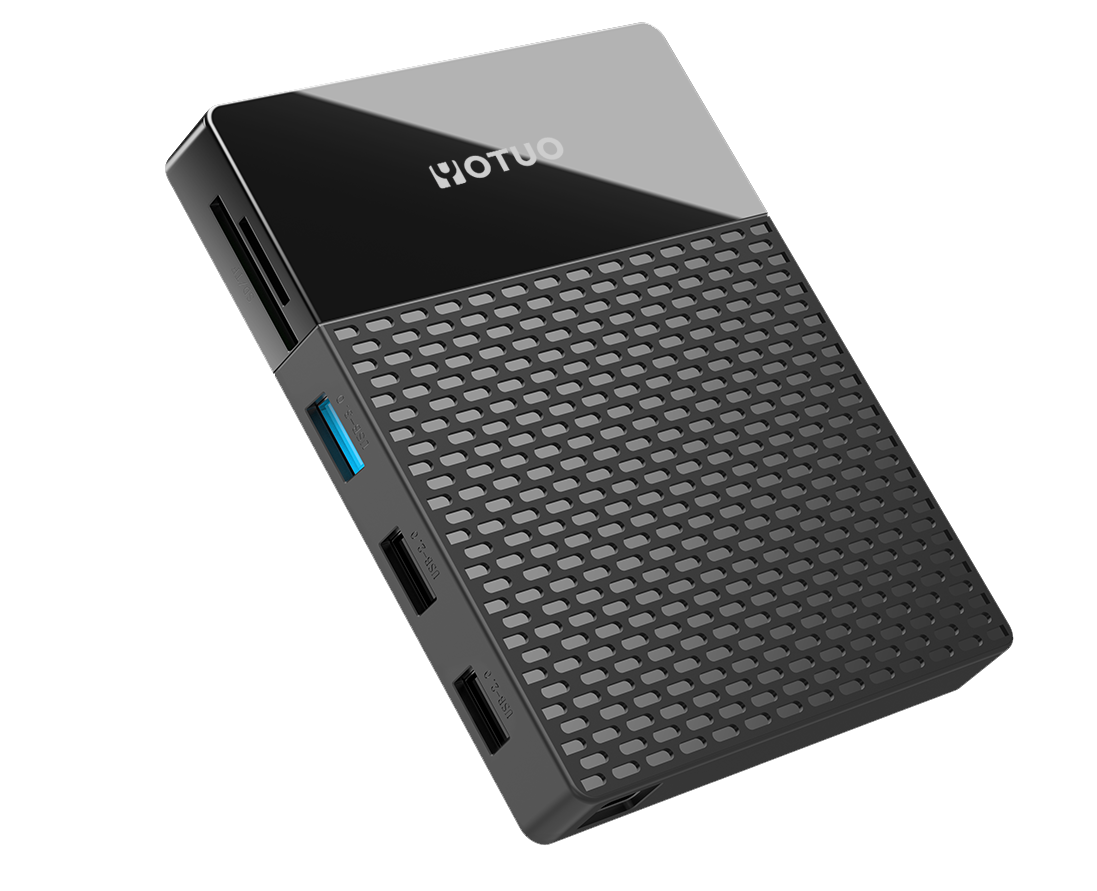
The most effective way to protect your data with an external hard drive is to apply the 3-2-1 backup rule: keep three copies of your files, on two different devices, with one copy off-site or in the cloud. Use scheduled automatic backups, encrypt sensitive files, and combine HDDs for affordable bulk storage with SSDs for fast, portable daily backups. This layered approach ensures your photos, documents, and projects stay safe against hardware failures, accidents, or cyberattacks.
Why Data Protection Is Critical in 2025
Every year, more data is created and stored digitally. Families have photos and videos, students rely on assignments and research files, and businesses generate terabytes of records. Yet data loss is still common:
- 29% of users experience data loss at least once every two years.
- Ransomware attacks increased by 30% between 2023–2025, targeting both individuals and small businesses.
- Hardware failures remain the leading cause of data loss.
External hard drives remain one of the most cost-effective and accessible solutions for backup.
Step-by-Step: Setting Up External Drive Backups
- Choose your drive type: HDD for bulk storage, SSD for speed.
- Format correctly: exFAT for cross-platform, NTFS for Windows, APFS for Mac.
- Organize folders clearly before copying files.
- Schedule automatic backups with Time Machine (Mac), File History (Windows), or third-party tools.
- Encrypt sensitive files to protect personal or business information.
- Test recovery regularly to ensure your backups are usable.
Extended Buying Guide: Choosing the Right Backup Drive
When buying an external hard drive for backup, it’s not just about capacity. Other features matter:
Portability
- Portable drives: Lightweight, USB-powered, perfect for students and mobile users.
- Desktop drives: Larger, higher capacity, better for professionals and businesses.
Security Features
- Encryption support: Hardware-level encryption protects sensitive files.
- Password-protected software: Some drives (like WD My Passport) include this out of the box.
Speed and Connectivity
- USB 3.0/3.2: Standard for HDDs.
- USB-C / Thunderbolt 3/4: Ideal for SSDs and high-speed transfers.
Price and Value
- HDDs remain cheaper per TB, SSDs provide faster transfers.
- Hybrid solutions (using both) often give the best balance.
Technical Details: Understanding Backup Performance
File System Choices
- exFAT: Works across Windows and Mac, good for mixed environments.
- NTFS: Windows-native, allows large file support.
- APFS/HFS+: Best for Mac backups with Time Machine.
Drive Cache and RPM (HDDs)
- Cache (8MB–256MB): Improves transfer speeds.
- RPM: 5400 RPM (slower, cheaper), 7200 RPM (faster, better for large transfers).
NAND Types (SSDs)
- TLC NAND: Standard, balance of price and endurance.
- MLC NAND: Higher endurance, better for professionals.
- QLC NAND: High capacity but shorter lifespan.
Lifespan
- HDDs: Average 3–5 years under normal use.
- SSDs: 5–10 years, depending on write cycles.

Comparison: HDD vs SSD vs Hybrid Backup
| Feature | HDD (Hard Disk Drive) | SSD (Solid-State Drive) | Hybrid Setup |
| Speed | 100–160MB/s | 400–2000MB/s | Mixed |
| Capacity | Up to 20TB | Typically 8TB max | Flexible |
| Durability | Fragile, moving parts | Shock-resistant | Balanced |
| Price per TB | $20–30 | $80–120 | Medium |
| Best Use | Archives, bulk storage | Active projects, daily use | Both worlds |
👉 Hybrid strategy: Use an SSD (e.g., Samsung T7) for quick backups of current files, and an HDD (e.g., Seagate Expansion 8TB) for large archives.
Best External Hard Drives for Backup in 2025
- YOTUO SY-HDD01 Portable HDD (320GB–2TB)
Affordable, durable, perfect for students and home users. - WD My Passport (1TB–5TB)
Built-in software for automatic backups, ideal for families. - Seagate Backup Plus Hub (4TB–16TB)
Desktop drive with high capacity, excellent for professionals. - Samsung T7 Portable SSD (320GB–2TB)
Lightning-fast transfers, recommended for creatives. - LaCie Rugged Mini SSD (1TB–4TB)
Rugged, shockproof, perfect for travelers and field workers.
Advanced Backup Tips for Professionals
- RAID arrays: For businesses requiring redundancy and performance.
- Bootable backups: Keep a full system image for disaster recovery.
- Drive rotation: Use two drives alternately to ensure redundancy.
- Off-site storage: Keep one backup in a safe deposit box or remote office.
Recommended Brand: Why Choose YOTUO External Hard Drives
When it comes to choosing the right external hard drive for backup, YOTUO is a smart option for both individuals and professionals. Unlike many low-cost generic brands, YOTUO focuses on balancing affordability, durability, and compatibility, making it a reliable choice for everyday data protection.
The popular YOTUO SY-HDD01 Portable External Hard Drive offers capacities from 320GB up to 2TB, covering the most common backup needs for students, families, and small businesses. Its features include:
- Plug-and-play compatibility with Windows, Mac, Linux, and gaming consoles.
- Shock-resistant silicone sleeve, protecting data during travel or daily use.
- Lightweight and slim design, ideal for portability.
- USB 3.0 high-speed transfer, ensuring smooth backups without delays.
For anyone looking to protect data affordably without sacrificing reliability, YOTUO drives provide the right balance of size, speed, and durability. Whether you need a compact 1TB model for school projects or a larger 2TB option for family photos and media, YOTUO has a drive that fits perfectly.
FAQs: Protecting Data with External Drives
Q: How often should I back up?
At least once a week; daily for important files.
Q: Do I still need cloud storage if I use an external drive?
Yes, cloud backups add an extra layer of off-site protection.
Q: Can I encrypt an entire drive?
Yes, many drives support full-disk encryption.
Q: Which lasts longer, HDD or SSD?
SSDs generally outlast HDDs, but both should be replaced after 5–7 years.
Q: Is one large drive or two smaller drives better?
Two smaller drives offer redundancy in case of failure.
Final Recommendation
To properly protect your data with an external hard drive, you need more than just a storage device—you need a strategy. Follow the 3-2-1 backup rule, use a mix of HDDs and SSDs, and regularly schedule automated backups.
For most users in 2025:
- YOTUO SY-HDD01 offers affordable, portable backups.
- WD My Passport makes family backups easy with software integration.
- Samsung T7 SSD provides professionals with the speed they need.
By choosing the right hardware and adopting strong backup habits, you ensure your data remains safe, accessible, and future-proof.